Walking Home, Introduction/Psalms of Ascent
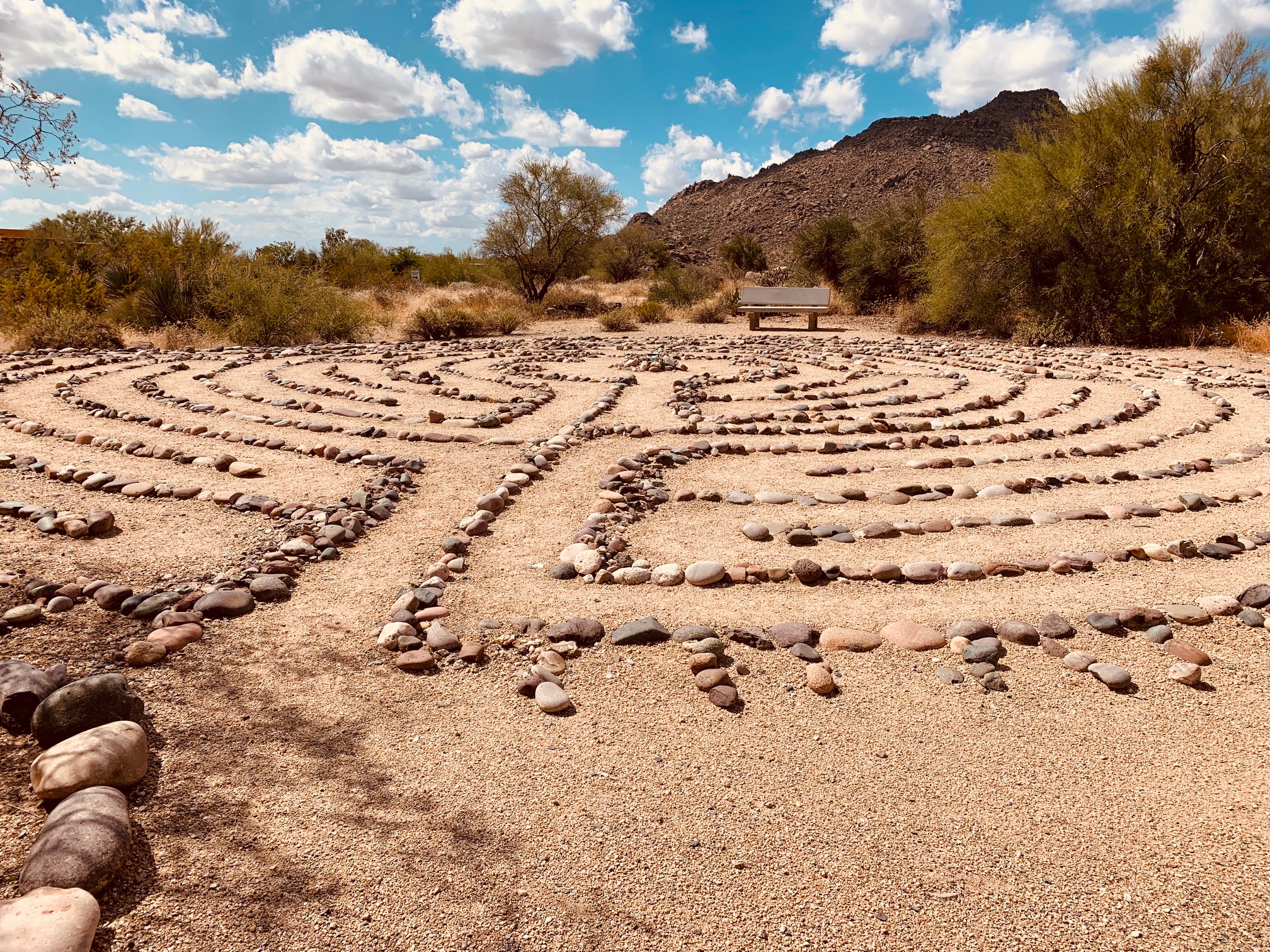
The Psalms of Ascent are songs/prayers which the people of God engaged as they journeyed to Jerusalem to celebrate feasts and holy days. Jerusalem (Mt Zion) was the literal place of worship for the people of God, and it also metaphorically represents God’s presence. So, these prayers were written to shape one’s preparation to ascend to the holy hill of Jerusalem and the temple.
A significant feature of these psalms is a focus on the house of God and Jerusalem/Mt. Zion. For these Old Testament believers, the house of the LORD was the place they wanted to be. While they would have understood God to be everywhere (“the earth is his footstool” Isaiah 66:1), there was a special sense of God’s presence (we might say an “indwelling presence”) in His house, the temple in Jerusalem. In Acts 17:24, the Apostle Paul shares that God “does not live in temples made by man” because He “made the world and everything in it, being the Lord of heaven and earth.” And, in the New Testament scriptures, we also learn that the temple of God (that special place of His indwelling presence) becomes the “believer” and the church. (1 Corinthians 3:16, “you are God’s temple”; 2 Corinthians 6:16, “we are the temple of the living God”) This is a mystical indwelling that is primarily spiritually discerned and experienced.
This is where we find ourselves today: indwelled by God. We are the temple of the living God. In the days before Christ, the indwelling presence of God was in the temple/the house of the Lord. However, we are compelled to embark on a journey of experiencing this reality just as the Old Testament believer embarked on that physical journey. The prayers and desires and perspectives shared in the Psalms of Ascent can become prayers that shape the way we approach the journey toward experiencing God’s presence ever and ever deeper. Indeed, the journey is one of love and intimacy with God fueled by desire and understaning our identity.
The journey experienced in these psalms moves from disorientation (Psalm 120, “Woe to me that I sojourn in Meshech, that I dwell in the tents of Kedar”) to reorientation (Psalm 125, “those who trust in the Lord are like Mount Zion, which cannot be moved, but abides forever”) to orientation (Psalm 134, “Come, bless the Lord, all you servants of the Lord, who stand by night in the house of the Lord”).
Disorientation is a place on the journey where we don’t feel at home. Things don’t seem to fit right. We may experience a low-level sense of loneliness, boredom, restlessness, anger, or anxiety. Afflictive emotions are especially prominent here. Our temptation is to get away or ignore or find a sense of home through our own efforts. Reorientation is a season where we have begun to understand the true desire and destination of our hearts. It is God who is our home and we are walking forward in such a way that our faces are pointed toward dwelling in His presence. Finally, orientation has a quality of peace and contentment to it. Distractions and resistances are minimal as responsiveness to the presence of God is the primary experience. Being “oriented” is experienced now and has its ultimate fulfillment in the eternal realm.
As these movements are observed in the Psalms of Ascent, the one who prays is invited to be with God wherever they are, and also to envision where the journey is going. Our lives are a journey through these movements of the Spirit. The journey into deepening intimacy progresses through one layer after another. After a season of orientation, we may begin to notice a desire for experiencing more of God’s presence and we may see the ways that we are not where we desire to be … feeling disoriented. And so the process begins again.
As we begin a journey through the Psalms of Ascent, you may spend a few moments in prayer – discerning where you are in this movement through disorientation, reorientation, and orientation. As you discern, be in that place with God … asking Him how He is with you and what He is inviting right now. One temptation can be to try to get out and move on but there are gifts in each season. There can also be a temptation to hold on to orientation when disorientation is emerging once again. Be where you are … with God … trusting that He is present and He is at work in you, shaping you and forming you in the image of Christ.

Posted on February 19, 2025, in blog, Lent 2025. Bookmark the permalink. 2 Comments.
 desert direction
Two phrases come to me. “Don’t hurry.” “Turn toward.” Don’t hurry through the disorientation. It is so easy to want to get past the harder emotions of disorientation and move on to the “better” feelings of reorientation and orientation. The gift comes though in slowing down and turning toward the emotions, welcoming them with curiosity to receive the message they carry. Tara Brach offers it another way: “Say hello to the emotions and invite them to tea.” I’m grateful for Ted teaching me to slow down in disorientation, and for Chuck DeGroat teaching me to “turn toward myself with kind curiosity.”
Beautifully said Cinde in above comment. These well written quotes & invitational places by Ted Wueste & Chuck DeGroat. The invitation to soul sitting with these emotions of disorientation with God. Thank you Ted for the journey.