Weekly Practice 4 – Sabbath
Week 4 | Surrender: From Anger to Stillness
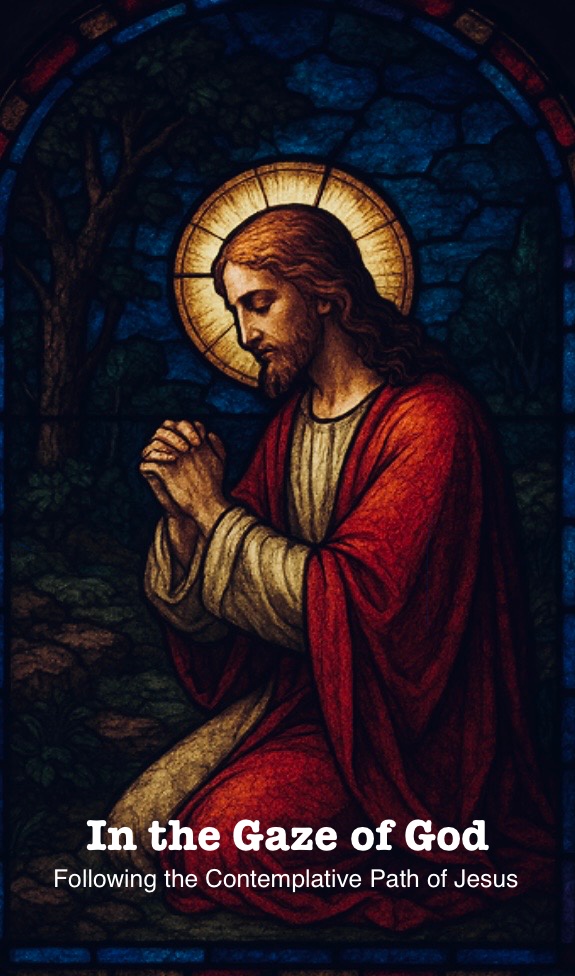
Surrender requires vulnerability and openness. We need practices which slow us down and give us space to feel the real vulnerability that marks our lives. In the ancient times in which the Scriptures were written, it was counter-cultural to suggest taking a day off with no work. In an agrarian society, people worked hard growing crops and raising animals. Taking a day off could mean getting behind. But, taking a day off also meant trusting that God could and would hold things together while resting in His care.
Sabbath-keeping is one of the ten commandments given to God’s people in Exodus 20:
Remember the Sabbath day, to keep it holy. Six days you shall labor, and do all your work, but the seventh day is a Sabbath to the LORD your God. On it you shall not do any work, you, or your son, or your daughter, your male servant, or your female servant, or your livestock, or the sojourner who is within your gates. For in six days the LORD made the heavens and the earth, the sea, and all that is in them, and rested on the seventh day. Therefore the LORD blessed the Sabbath day and made it holy (vv 8–11).
There are more details about honoring a Sabbath day than any of the other commands, and it is the one that we may find most difficult. Perhaps, that is why God said more about it. And perhaps, it is much more important than we’ve considered. A time of Sabbath (or, refraining from work) is when we intentionally put ourselves at the mercy of God’s action. We are trusting Him to take care of things while we rest. Certainly, Sabbath is about resting our bodies but it is much more. It is about trust and opening ourselves to God in vulnerability.
If we can wait a day to tend to our work, then maybe we can wait for Him in other areas of our day to day lives. Sabbath is a contemplative practice which Jesus embraced as it was embedded in the fabric of first century Jewish culture. For us, it is difficult and we may have more in common with those first people to whom the command was given.
We are free to practice this holy rest on whichever day and for whatever amount of time as we abide with God. However, we need to have periods of Sabbath each week. The longer, the better.
What might this look like for you?

Posted on March 15, 2026, in blog, In the Gaze of God. Bookmark the permalink. Leave a comment.
 desert direction
Leave a comment
Comments 0