Day 27 | Embracing Solitude
Week 5 | Sit: From Shame to Solitude
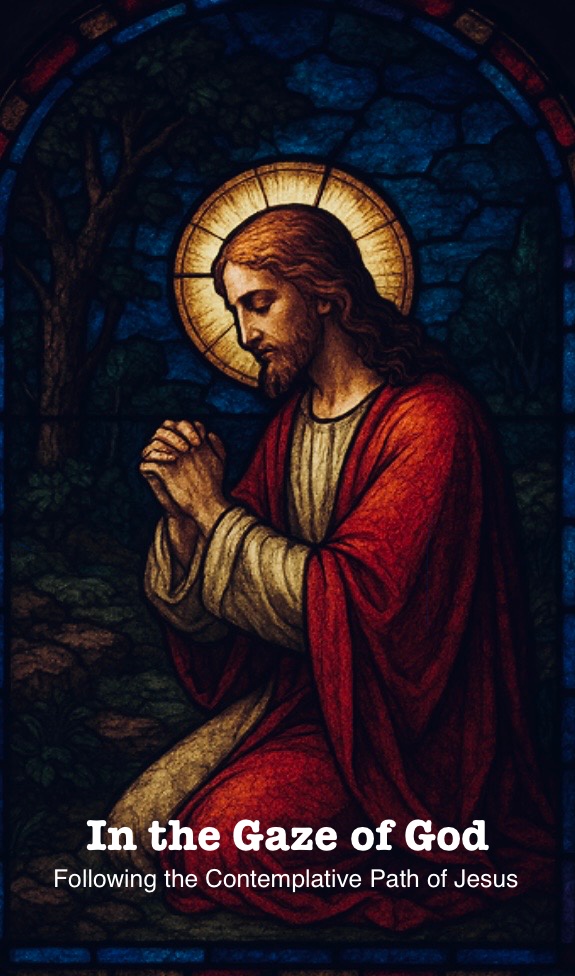
Henri Nouwen observed, “Without solitude, it is virtually impossible to live a spiritual life” and “Solitude is the furnace of transformation.”
For many of us, our discipleship did not emphasize or perhaps even explore the reality that Jesus went to a lonely place for prayer, even though it is one of Jesus’ habits that was highlighted repeatedly in the Gospels. For others of us, solitude was our punishment from Mom and Dad if we did something wrong: Go to your room and be quiet. For still others of us, as we consider solitude, we may be afraid of what will happen if we are alone with our thoughts.
Given all the possible back stories, we may wonder: How exactly is solitude transformative? It is transformative precisely because it challenges us to confront our wounds. As we stop the movement and flitting around, we change because we meet with God in the places we may have kept hidden or buried. The transformation is often imperceptible to us. It can be hard to discern because the things of the heart are deep and mysterious. In addition, the transforming power of solitude is the relational dynamic of simply being in God’s presence. Experiencing His presence shapes us without us trying.
One of the desert fathers, Abba Moses, famously said, “Go, sit in your cell, and your cell will teach you everything.” For the monks, their cell was the small private room where they would sit in solitude with God. We often experience a compulsion to go out and find answers for ourselves in the world around us, but the contemplative way of Jesus is to go in. From that place, we are ready to engage a world contemplatively with a freedom that only comes from solitude. In solitude, we are freed from the desire for approval from others, the desire for a good reputation, as well as the desire to look good in front of others.
As we look at the life of Jesus, solitude is both a physical place as well as “the inner landscape where we learn to sit still with God” (Martin Laird, Into the Silent Land). These two aspects go hand in hand. Jesus taught about the “inner room” of the heart in Matthew 6, and He practiced going to the physical desert. It is in physical solitude that a solitude of soul is experienced and nurtured.
The goal of solitude is to be able to take our prayer cells with us. What is nurtured and shaped in solitude can be taken with us for a solitude of heart at any time and in any place. As we experience the gaze of God in our solitude, we take the gaze of God with us into the world.
Father Thomas Keating asked the question: “What is the essence of contemplative prayer? The way of pure faith. Nothing else. You don’t have to feel, but you have to practice it.” Indeed, we may not be aware of all that is happening in the depths of solitude, but we can trust that God is with us. On a practical level, it can helpful to know that time in solitude often contains three elements: restlessness, internal conflict, and peace. We often begin with a sense of restlessness in our minds and bodies. This can feel unproductive and we may wonder if anything is “happening.” In this part of solitude, habits, patterns, and mental loops are fighting for attention. As we let them go, we may feel internal conflict. Things that have been buried within us may come up and it can feel quite intense. Finally, we may enter into a time of peace in which we experience clarity, focus, and a sense of openness to God.
All things are normal. In a twenty-minute contemplative sit, we may experience nineteen minutes of restlessness and conflict before we notice any peace. All that is required is to notice and let the restlessness and conflict go, returning to presence. We may experience distraction over and over, and it is vitally important not to judge “how we are doing.” Part of what is happening is that we are exchanging a performance-based way of relating for simple presence to God. We cannot do this wrong. We just show up and trust God’s presence with us.
We do not make anything happen, but we open ourselves to God’s will and work – whatever shape that takes. Solitude, stillness, and silence overlap one another, and a contemplative practice that contains all three simply puts us in a place where we experience God’s good, holy, loving, and kind gaze.
For the next 5-10 minutes (or maybe 20), engage in solitude. Sit quietly and wait. There is nothing to do, nothing to accomplish, nothing to prove. Notice various things that come up and simply let them go without judgment or commentary.
Prayer: Lord, in Your presence there is fullness of joy; at Your right hand are pleasures forevermore. In Your mercy, may I sit quietly and wait. Amen. (Psalm 16:11)

Posted on March 20, 2026, in blog, In the Gaze of God. Bookmark the permalink. Leave a comment.
 desert direction
Leave a comment
Comments 0