Blog Archives
Embracing Vulnerability at Christmas

Vulnerability, emptiness, and weakness are not usually words that come to mind at Christmas. We are more drawn to those Advent words of hope, peace, joy, and love. And for good reason! They are the promise of the Messiah who was born.
However, in our rush, we pass right over what makes hope, peace, joy, and love possible. First, it is the vulnerability of Christ coming as a helpless baby as well as Jesus emptying Himself (Philippians 2) that creates the room for the promises of the Advent season. Second, it is our own emptiness that creates the space for our personal and even communal reception of Christ.
“There was no room for them in the inn.” (Luke 2:7) Iconic lines from the Christmas account told by Luke and lines which also express a dynamic in our modern world.
Life is just so noisy that we are left without room to notice Christ’s presence. Whether physical noise, relational noise of hurt and betrayal, or digital noise from having the internet at our fingertips, quiet spaces for reflection and wonder are few and far between. As much as we might desire it, there just does not seem to be any room, but it is in those quiet spaces where we find the room to see and respond to the presence of Jesus in our world.
When a pastor comes to tears sharing about a personal loss and the congregation hushes to an external and internal quiet, space is opened to encounter and notice one’s own experience of loss. When a friend shares about their loneliness after offering a biting remark that seemed out of character, space for forgiveness is opened. When we confess that we feel overwhelmed at this or any other time of the year, space is opened in our hearts as we admit that we do not and cannot control things.
Space for contemplative reflection (noticing and welcoming Christ) is opened by vulnerability.
Vulnerability, itself, is a space, an emptiness. Rather than seeking control, comfort, and certainty, vulnerability is choosing to remain empty so that Christ can fill. The Christian mystic Simone Weil wrote: “Grace fills empty spaces, but it can only enter where there is a void to receive it, and it is grace itself which makes this void.”
This reflects the words of the Apostle Paul in 2 Corinthians 12:9: “But he said to me, ‘My grace is sufficient for you, for my power is made perfect in weakness.’ Therefore I will boast all the more gladly of my weaknesses, so that the power of Christ may rest upon me.”
The challenge we frequently face is that while there is a desire for this kind of vulnerability, there is also a desire to distance ourselves from it. We most often run from vulnerability. We try to create a life where we either have a perception of not being vulnerable or we let all the noise serve as distractions from the truth that are vulnerable.
Like the Apostle Paul, we pray that God would take our vulnerability away only to discover that He doesn’t and that our vulnerability is where we experience His presence most profoundly.
Vulnerability is the open hands which refuse to hold on to anything, but stay open, ready to receive what is needed. Without vulnerability, love and joy have a difficult time finding a space to land.
This Christmas, are you hungering and longing for joy … for love? Embrace your vulnerability. Let go of what you think will keep you safe and open yourself to the vulnerability of needing God to fill your hands.
Prayer Practice:
As you experience vulnerability or emptiness in the coming days, simply notice it and turn your heart to God. Rather than feeling any particular way about the emptiness or deciding to do something about it, offer yourself to God with the following prayer:
Lord, You hold my life. My life with You is good and I have all I need to be who You’ve made me to be. I need You and I rest in Your love and provision. Give me eyes to see You in all things today. Amen.
Advent … Stop and Notice
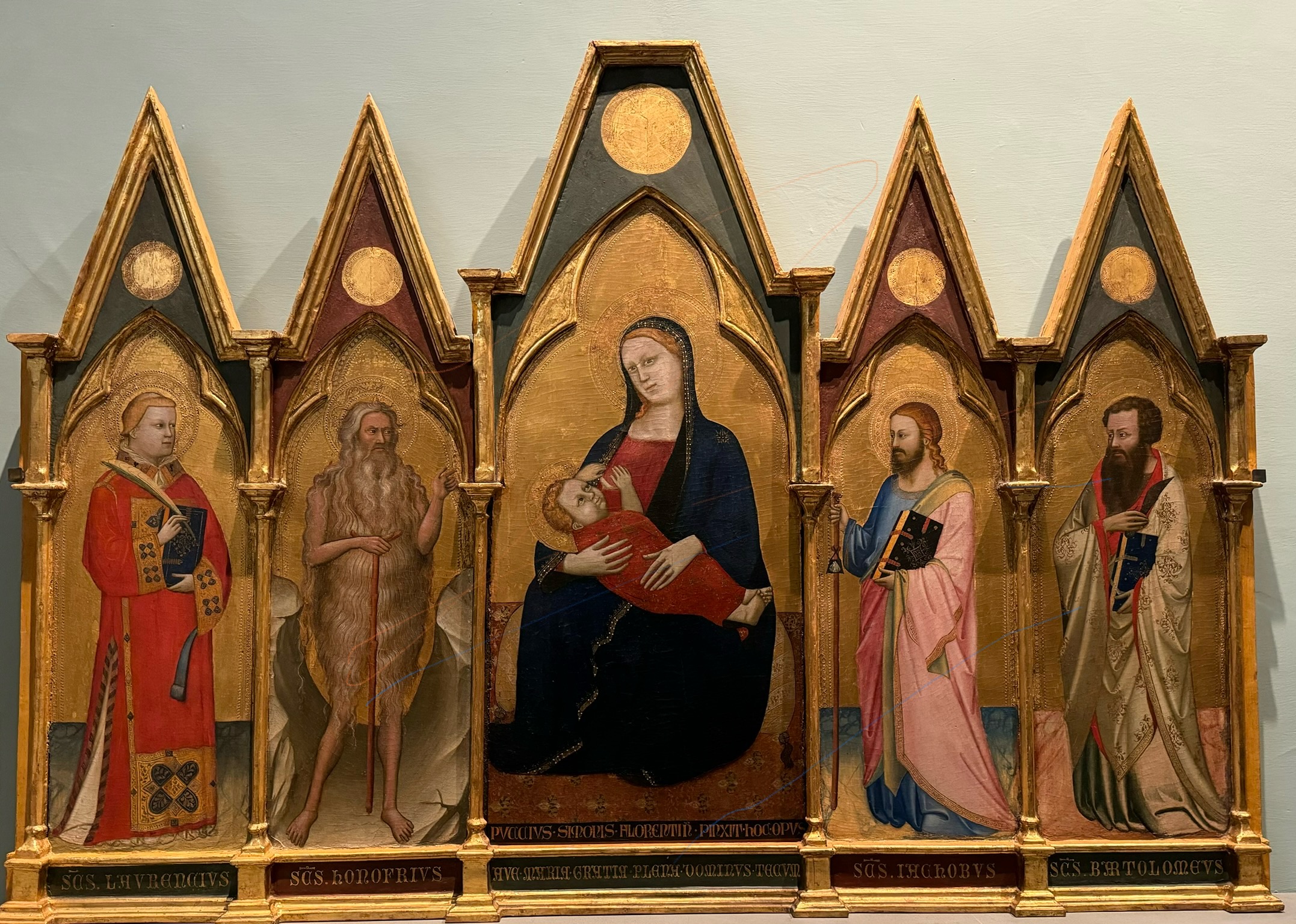
Advent … an invitation to stop and notice. The world around us buzzes and whirls, distracting us from what is. Advent stops us, if we let it, and centers us around what is. Advent is a season of desire and longing. What is most true (truer than all else – deeper than the deepest depth) is that we desire God. In the speed and noise of life, we settle upon lesser desires (some perhaps sinful and some just less than, but all incapable of holding the depth, length, height, and width … the vastness that is the love of God unfolded in the human heart).
So, stop. Please stop. For the sake of God and His love for you, stop. Stop and notice, and sit with desire and longing. Then, as you go about the business of life, you will find calm and peace in the knowing that God alone is your desire and that just as Jesus was secure in the midst of the vulnerability of a first century Palestinian manger, you are securely held in His love.
Desire fulfilled is no longer desire. Advent reminds us of the “already, not yet” nature of desire. Christ became human flesh 2000 years ago (desire fulfilled) and we also wait for His coming each and every day (desire waiting to be filled). “When Christ who is your life appears, then you also will appear with him in glory.” (Colossians 3:4) As we sit with the “not yet,” our lives are oriented once again around the truth that we are dependent creatures … depending upon His appearing not just in the future, but today and tomorrow. How will He appear today? How will you notice His presence today? How will you see Him as the one you’ve ben hoping for? Stop and notice.
This is the invitation of Advent.
 desert direction